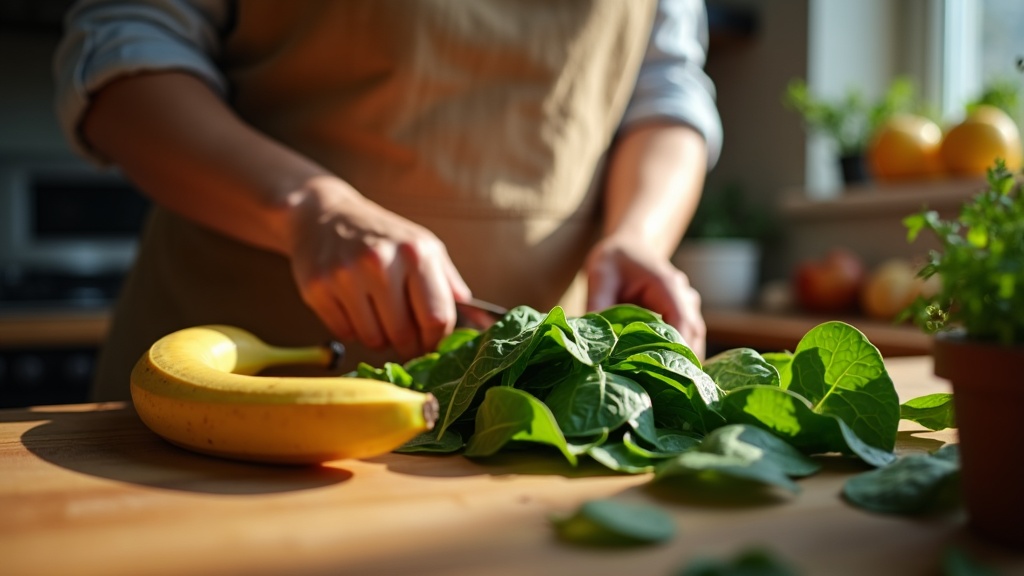
When most people think about lowering their blood pressure, the first thing that comes to mind is salt. Cut the sodium, watch the shaker, read labels for hidden salt. That advice isn’t wrong, but it’s only half the story.
The DASH diet, which stands for Dietary Approaches to Stop Hypertension, has become famous partly because it helps people manage blood pressure without medication. But here’s what often gets missed: DASH isn’t just about eating less of something bad. It’s also about eating more of something good. That something is potassium.
Potassium works like sodium’s counterbalance in your body. While sodium can make your blood pressure climb, potassium helps bring it back down. It does this by helping your body flush out excess sodium and by easing tension in your blood vessel walls. Think of it as a natural buffer that helps keep things in balance.
The problem is that when people hear potassium, they usually think of one food: bananas. And sure, bananas are fine. But if you’re trying to follow the DASH approach and support your heart health, you need more variety than that. There are dozens of delicious, potassium-rich foods that don’t get nearly enough attention.
This matters because meeting your potassium needs through food isn’t just about hitting a number. It’s about building meals you actually enjoy, with fruits and vegetables and other whole foods that bring along plenty of other nutrients your body needs. The good news? You have way more options than you might think.
Why potassium matters in the DASH diet
When most people think about eating for better blood pressure, they focus on cutting back on salt. That makes sense. But the DASH diet works differently. It’s not just about what you avoid—it’s also about what you add.
Potassium is one of those helpful additions. It’s a mineral that plays a key role in keeping your body’s fluids balanced. Think of it as a behind-the-scenes manager, helping your cells hold onto the right amount of water while getting rid of what they don’t need.
Here’s where it gets interesting for your heart. Potassium helps your body flush out excess sodium through your kidneys. So when you eat potassium-rich foods, you’re not just adding something good—you’re also helping to undo some of the damage that too much salt can cause. Less sodium hanging around means less pressure on your blood vessel walls.
This balancing act matters because high blood pressure puts strain on your heart over time. When your body can regulate fluids more smoothly, your heart doesn’t have to work as hard to pump blood. Your blood vessels can relax a bit too.
The DASH diet was designed with this partnership in mind. Instead of obsessing over every grain of salt, it encourages you to fill your plate with foods that naturally bring potassium and other helpful nutrients to the table. It’s a more positive way to eat—focused on abundance rather than just restriction.
That’s why knowing which foods are rich in potassium can make such a practical difference. You’re not just following rules. You’re actively supporting your body’s natural systems.
Everyday potassium sources people often overlook
When people think about boosting potassium, bananas usually steal the spotlight. But your grocery cart is probably already full of foods that deliver just as much, if not more, of this essential mineral. The trick is knowing where to look.
Take potatoes and sweet potatoes, for example. A medium baked potato with the skin on packs a serious potassium punch, and it’s one of the most affordable options you’ll find. Sweet potatoes do the same while adding a hefty dose of vitamin A. Both are incredibly versatile—baked, roasted, mashed, or tossed into soups.
Beans and lentils are another powerhouse group that flies under the radar. White beans, kidney beans, and lentils all deliver potassium alongside fiber and protein, making them a triple threat for heart health. They’re pantry staples that stretch your dollar and work in everything from salads to stews.
Dairy lovers have an advantage too. Plain yogurt and milk both contribute meaningful amounts of potassium while also providing calcium and protein. A cup of yogurt at breakfast or a glass of milk with dinner adds up quickly over the course of a day.
Then there are the vegetables that don’t get enough credit. Leafy greens like spinach and Swiss chard, winter squash, tomatoes and tomato sauce, and even mushrooms all bring potassium to the table. Tomato sauce, in particular, is a sneaky winner because it’s concentrated and shows up in so many meals you’re already making.
Avocados and orange juice round out the list. Both are easy additions that also deliver vitamins and healthy fats or vitamin C. The point isn’t to eat all of these every day—it’s to realize how many everyday, accessible options you already have.
Simple ways to add potassium without changing your whole diet
You don’t need to overhaul your kitchen or learn new recipes to boost your potassium intake. Small tweaks to what you’re already eating can make a real difference.
Start with what you’re already making. Toss a handful of white beans or chickpeas into your next salad or soup. They blend right in and add a serious potassium boost without changing the flavor much. Same goes for pasta sauce. Swap your usual marinara for a tomato-based sauce, or just add extra diced tomatoes to whatever you’re cooking.
Think about your breakfast routine. If you usually grab yogurt, add some sliced banana, berries, or a handful of dried apricots. If you make eggs, throw in a cup of spinach or kale while they cook. The greens wilt down to almost nothing, but the potassium stays.
At lunch, build your sandwich differently. Add a few leaves of spinach or arugula instead of plain lettuce. Or swap your usual side of chips for something like cherry tomatoes, carrot sticks with hummus, or a small baked sweet potato you prepped the night before.
Dinner is where potassium-rich sides really shine. A baked potato or roasted sweet potato takes almost no effort and pairs with nearly anything. Steamed broccoli, sautéed mushrooms, or a simple side of black beans all work without requiring special ingredients or complicated prep.
The key is thinking in swaps and add-ons, not rules. You’re not eliminating foods or counting anything. You’re just nudging your usual meals toward choices that happen to support better blood pressure and heart health.
How potassium-rich foods can help when sodium sneaks in
Let’s be honest. You’re not making every meal from scratch. Sometimes lunch is a deli sandwich. Sometimes dinner is takeout. And packaged foods are going to show up in your kitchen whether you’re aiming for perfect eating or not.
Here’s where potassium-rich foods earn their keep. They don’t erase the sodium in that canned soup or restaurant stir-fry, but they do help shift your overall eating pattern in a direction that supports healthy blood pressure. Think of it as building balance into the meal, not trying to cancel anything out.
Say you’re having a turkey sandwich on white bread with deli meat. That’s a fair amount of sodium right there. But if you add tomato slices, spinach, and a side of cantaloupe chunks, you’ve just loaded that plate with potassium. The meal becomes more DASH-friendly because you’re eating whole foods alongside the packaged ones.
Same idea with takeout. A teriyaki bowl might come with more sodium than you’d use at home, but tossing in extra steamed broccoli or edamame adds potassium and other nutrients your body needs. Pasta night? Stir white beans into the marinara. Heating up canned soup? Drop in frozen spinach or leftover roasted sweet potato.
None of this means you can ignore sodium and pile on the salt shaker. Reducing sodium is still important for heart health. But in real life, meals aren’t always ideal. When sodium sneaks in, potassium-rich whole foods help keep your overall pattern pointed in the right direction.