If you’ve looked into the DASH diet, you’ve probably seen recommendations about eating fruit every day. But when the guidelines say something like “four to five servings,” what does that actually mean? Does that mean four whole apples? Five bananas on top of everything else? It’s easy to feel confused.
The truth is, a serving of fruit is smaller than most people think. And that’s actually good news. You don’t need to eat like you’re stocking up for winter. A serving might be a medium apple, half a banana, or a handful of grapes. When you see it laid out in real terms, hitting your daily fruit intake suddenly feels a lot more doable.
Understanding fruit portion size matters because it affects your entire approach to the DASH diet. If you think you need to eat enormous amounts of fruit, you might feel overwhelmed before you even start. Or you might skip fruit altogether because it seems like too much. Neither option helps your blood pressure or your health.
This isn’t about perfection or following rigid rules. It’s about finding a pattern that works in your actual life, with your actual schedule and preferences. The DASH guidelines for fruit are there to help, not to create stress. Once you know what a realistic day of healthy fruit choices looks like, you can stop second-guessing yourself and just eat.
What DASH usually means by daily fruit intake
The DASH diet typically recommends four to five fruit servings per day if you’re eating around 2,000 calories. That’s the standard starting point most people see in DASH guidelines.
But here’s the thing: that number isn’t set in stone for everyone. If you’re very active or need more calories overall, you might aim for the higher end or even a bit more. If you’re eating fewer calories or trying to lose weight, you might land closer to four servings or slightly under.
Think of four to five servings as a helpful target, not a rigid rule. It gives you something concrete to work toward instead of just guessing what “enough fruit” actually means.
Your actual needs also depend on what else you’re eating. If you’re getting plenty of vegetables and whole grains, you’re already covering a lot of nutritional ground. Fruit adds important vitamins, fiber, and natural sweetness, but it doesn’t have to be the only star of your plate.
The real goal is finding a daily fruit intake that fits your life and feels sustainable. Some days you’ll hit five servings easily. Other days you might only manage two or three, and that’s okay. What matters more than perfection is building a pattern you can actually stick with over time.
So start with four to five servings as your baseline. Pay attention to how you feel, adjust based on your hunger and energy levels, and remember that DASH is meant to be flexible enough to work for real people with real schedules.
What counts as a fruit serving without measuring everything
Good news: you don’t need to weigh your fruit or pull out measuring cups every time you eat. A fruit serving on the DASH diet is actually pretty simple to eyeball once you know what to look for.
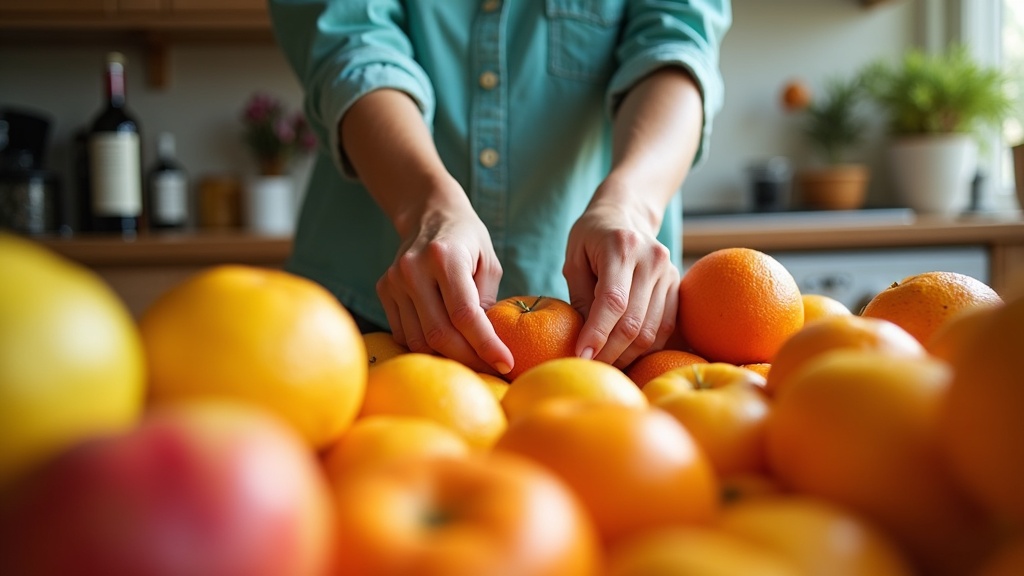
For whole fruits like apples, oranges, or pears, one medium piece counts as a serving. What’s medium? Think tennis ball size, or something that fits comfortably in your palm. A small banana works too. If your fruit is bigger than your fist, it’s probably closer to one and a half servings, which is totally fine.
When you’re dealing with cut fruit like melon chunks, berries, or pineapple, a serving is about half a cup. Picture a rounded handful or the amount that fits in a small cereal bowl without piling it up. That’s your target.
Dried fruit is more concentrated, so the serving size shrinks. A quarter cup is one serving, which looks like a small handful you could close your fingers around. Think about six or seven dried apricot halves, or a golf ball’s worth of raisins.
If you’re drinking 100% fruit juice, half a cup counts as a serving. That’s a small glass, not the big tumblers most of us use. Juice goes down fast and doesn’t fill you up the same way whole fruit does, so it’s worth keeping an eye on.
The point isn’t perfection. It’s about getting a rough sense of portions so you can make good choices without obsessing. Once you practice a few times, it becomes second nature.
How 4–5 servings looks across a normal day
Four or five fruit servings might sound like a lot until you see how easily they fit into what you’re already doing. You don’t need to overhaul your routine or eat fruit with every meal.
Maybe you start with a banana sliced into your cereal or oatmeal at breakfast. That’s one. Mid-morning, you grab an apple or a clementine at your desk. That’s two. Lunch could include a handful of grapes on the side, or maybe you toss some mandarin orange segments into your salad. Three down.
Afternoon snack time is when a lot of people naturally reach for something sweet anyway. A small container of berries, a pear, or even some melon chunks from the fridge gets you to four. Then maybe after dinner you have a few strawberries with yogurt, or just a handful of frozen mango while you’re watching TV. Done.
If mornings are rushed, you might skip breakfast fruit and double up later. Pack two pieces of fruit to take with you. Keep a stash of easy options like apples, bananas, or clementines that don’t need prep or refrigeration. A smoothie made with a cup of berries and half a banana covers two servings in one go.
The point isn’t to follow a script. It’s just helpful to see that hitting the target doesn’t mean snacking on fruit constantly or making it complicated. You’re spreading small, normal portions across the day in ways that already make sense for how you eat.
The most common ways people miscount fruit on DASH
The biggest mistake people make? Assuming that giant smoothie counts as just one serving. If you blend a banana, a cup of berries, half a mango, and some juice, you’ve just knocked back four or five servings in one sitting. That’s not bad for you, but it does mean you’ve hit your fruit quota before lunch.
Dried fruit trips people up constantly. A small handful of raisins or dried cranberries equals a whole serving because the water’s been removed and everything’s concentrated. What looks like a tiny snack actually counts the same as a medium fresh apple. The easy rule: a quarter cup of dried fruit equals one serving.
Fruit juice is another sneaky one. Even 100% juice counts as fruit, but portion sizes matter. Six ounces is one serving, not the whole 16-ounce bottle. And those fruit snacks or fruit-flavored yogurts? They usually don’t count at all unless there’s actual whole fruit involved.
Some people think more fruit is always better and end up way over the DASH recommendations. While fruit is healthy, eating eight servings when the plan suggests four or five means you’re probably skipping vegetables or other food groups you also need. Balance matters.
The simplest way to keep track: think of one serving as what fits in your palm. A medium piece of fresh fruit, half a cup of chopped fruit, a quarter cup of dried fruit, or six ounces of juice. When you build a smoothie or fruit salad, just count up the palm-sized portions that went into it. No math degree required.
Choosing fruit that fits DASH without overthinking it
Here’s the good news: every fruit can fit into the DASH diet. You don’t need to memorize a list of approved options or avoid certain types altogether. The goal is just to make choices that help you stick to your daily fruit intake without going overboard on calories or added sugar.
Whole fruit is your easiest path forward. An apple, a banana, a peach—these are simple to portion and naturally filling. When you eat whole fruit, you get fiber that slows digestion and helps you feel satisfied longer. That makes it easier to stay within your serving goals without feeling deprived.
Juice is still fruit, but it’s trickier to manage. A small glass disappears fast and doesn’t fill you up the same way. If you love juice, that’s fine—just count it as one of your servings and keep the portion to about half a cup. You’ll likely feel more satisfied if most of your fruit servings come from the whole versions.
Canned and frozen fruit work great too, especially when fresh options are pricey or out of season. Look for fruit packed in water or its own juice instead of heavy syrup. Frozen fruit with nothing added is just as nutritious as fresh and often more convenient.
Mixing up colors and types throughout the week gives you a variety of nutrients without any extra effort. Berries one day, citrus the next, then maybe melon or stone fruit. And pairing fruit with a handful of nuts, a spoonful of peanut butter, or some yogurt adds protein or healthy fat that keeps you fuller between meals. That simple move makes fruit servings feel more like real snacks, not just sweet bites that leave you hungry again.