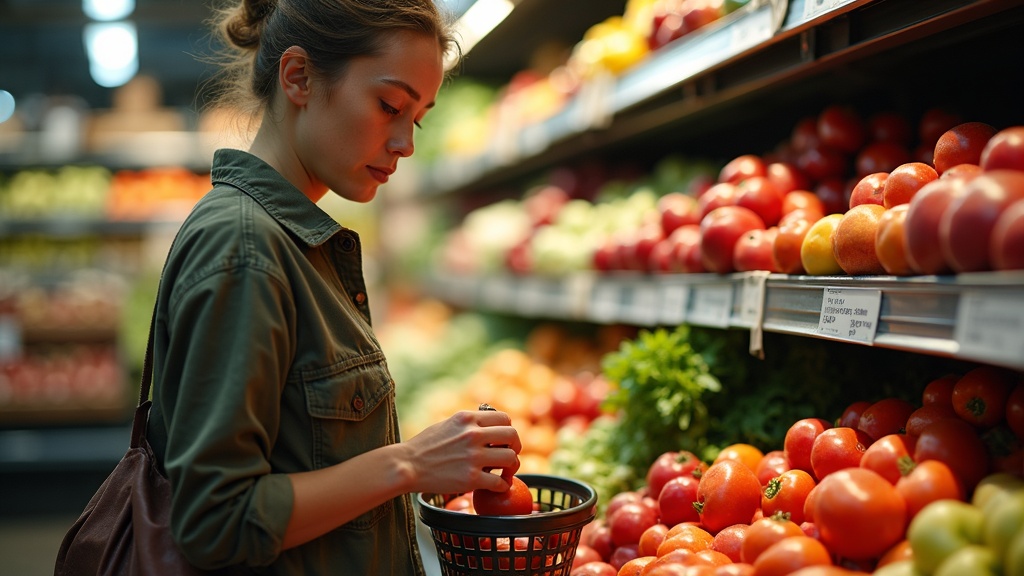
You’ve probably heard that the DASH diet is one of the healthiest ways to eat. Maybe your doctor recommended it, or you read about it online. Either way, you’re interested. But then you walk into the grocery store and reality hits.
The aisles are confusing. Labels say things like “low sodium” on products that still have way too much salt. Your budget is tight, and those fresh vegetables don’t always look fresh. You’re already busy, and now you’re supposed to decode nutrition labels while your kids are asking for snacks.
Here’s the truth: DASH diet grocery shopping doesn’t have to be complicated or expensive. You don’t need to shop at fancy stores or buy exotic ingredients. You don’t need a nutrition degree to read labels. And you definitely don’t need to spend hours wandering the aisles.
What you do need are a few practical strategies that work in real life. The kind of tips that help you spot the actually healthy options quickly, avoid the marketing tricks on packaging, and stick to your budget without giving up on eating well.
This guide will show you exactly how to do that. You’ll learn which sections of the store to focus on, how to read labels in seconds instead of minutes, and how to build a shopping list that makes DASH eating simple. No perfection required. Just practical steps that fit into your actual life and budget.
Start with a five-minute plan to avoid expensive impulse buys
Before you grab your keys, spend five minutes in your kitchen. Open your fridge and pantry and actually look at what you already have. You might find half a bag of brown rice, some frozen broccoli, or a few chicken breasts that need using up. This quick check stops you from buying duplicates and helps you build meals around what’s already there.
Next, pick just two or three simple meals for the week. Keep it easy. Think about combinations you can mix and match: a protein, some vegetables, and a whole grain. For example, grilled chicken with roasted vegetables and quinoa one night, then use that same chicken in a salad with chickpeas the next day. You’re not planning a cooking show. You’re making dinner happen.
Now choose one or two grab-and-go options for breakfast or lunch. Maybe it’s oatmeal cups and bananas, or whole grain bread with natural peanut butter. Write these down. Your list should be short enough to fit on a sticky note.
Here’s where the time savers come in. A rotisserie chicken works for multiple meals, though check the label because some are loaded with sodium. Bagged salad greens, pre-cut vegetables, and frozen vegetable mixes are your friends. They cost a bit more than whole produce, but they actually save money if they keep you from ordering takeout on a busy night. Microwavable pouches of brown rice or quinoa take two minutes and create zero temptation to skip the whole grain.
Walking into the store with this simple plan means you’ll cruise past the flashy displays and endcaps. You know what you need. You get it and leave. That’s how you avoid the expensive impulse buys that wreck both your budget and your DASH diet goals.
Use the store layout to find DASH staples faster
Most grocery stores follow a similar pattern. Fresh foods live around the edges, and packaged goods fill the middle aisles. That layout actually works in your favor when you’re shopping for DASH diet staples.
Start with the produce section. This is where you’ll spend the most time. Fresh fruits and vegetables are the backbone of DASH eating, so grab what looks good and what’s on sale. Frozen produce counts too. Those bags of spinach, berries, or veggie blends are just as nutritious and often cheaper. No special health food aisle needed.
Next, swing through the dairy section for plain yogurt in low-fat or nonfat varieties. Skip the flavored kinds with added sugar and sweeten plain yogurt yourself with fresh fruit at home. Grab eggs here too. They’re an affordable protein that fits perfectly into DASH meals.
The meat and seafood counter comes next if you eat animal protein. You’re looking for lean choices like chicken breast, fish, or turkey. If fresh fish feels too expensive, frozen fillets work just as well and last longer in your freezer.
Now for the middle aisles, but you’re being selective. Head to the sections with canned beans, whole grain pasta, brown rice, oats, and nuts. Canned beans are a huge time saver. Just rinse them under water to wash away some of the sodium. Look for low-sodium versions when you can find them.
Don’t feel guilty about convenience choices. Pre-cut vegetables, bagged salad greens, and frozen veggie blends cost a bit more but they’re still real food. If they help you actually cook instead of ordering takeout, they’re worth every penny.
Read labels for the few things that make the biggest difference
You don’t need to analyze every line on a nutrition label. For DASH diet grocery shopping, three quick checks will get you most of the way there: sodium, added sugars, and whether grains are whole.
Sodium is the big one. It hides in surprising places, not just salty snacks. Check the labels on bread, jarred sauces, canned soups, deli meats, and frozen meals. These everyday items can pack more sodium than you’d expect. When you’re comparing two similar products, just look at the sodium number and pick the lower one. It’s that simple.
Look for “no salt added” versions of canned tomatoes, beans, and vegetables. They exist in most stores and taste just fine once you season them yourself. If you can’t find low-sodium options, rinsing canned beans and vegetables under water for about thirty seconds washes away a good chunk of the salt.
For anything with grains like bread, pasta, crackers, or cereal, check the ingredient list. If the first ingredient says “whole wheat,” “whole grain,” or “100% whole wheat,” you’re good. If it just says “wheat flour” or “enriched flour,” that’s refined, not whole. This one glance tells you what you need to know.
Added sugars matter too, especially in things like yogurt, granola, and sauces. You don’t need to avoid sugar completely, but comparing two brands and choosing the one with less added sugar is an easy win.
That’s it. Three things. You’ll spend less time squinting at labels and more time actually shopping.
Use budget-friendly swaps that still feel like real meals
Let’s be honest: eating healthy costs more than grabbing whatever’s on sale. But you can close that gap without turning every meal into plain rice and beans.
Start with produce that’s actually in season. Strawberries in January cost twice as much as strawberries in June, and they taste like cardboard anyway. Frozen vegetables and fruit are your friends here. They’re picked at peak ripeness, last for weeks, and cost less than fresh most of the time. Toss frozen broccoli into pasta or blend frozen berries into oatmeal.
Protein is usually the budget killer. Try mixing half ground meat with half cooked lentils or black beans in tacos, pasta sauce, or casseroles. You won’t miss the difference, and you’ll cut the cost in half. Canned fish like tuna or salmon works too, especially when it’s on sale. Buy family packs of chicken or fish when the price drops, then freeze portions in sandwich bags.
Store brands are almost always identical to name brands for staples like canned tomatoes, dried beans, brown rice, and oats. Save the extra dollar every time.
For breakfast, a bowl of plain oatmeal with banana and a spoonful of peanut butter costs pennies compared to boxed cereal. For lunch, build a bowl with brown rice, whatever frozen vegetables you have, and a fried egg on top. It feels like a real meal because it is one.
Skip the prepackaged “health” snacks. Those little 100-calorie packs and portion-controlled everything add up fast. Buy a container of plain yogurt, a bag of apples, and some nuts instead. You’ll spend less and actually feel satisfied.
Keep a repeatable shopping list that you can tweak each week
The secret to making DASH diet grocery shopping feel easy is having a list you don’t need to reinvent every time. Think of it as your default grocery run, the one you could do half asleep on a Sunday morning.
Start by picking ten to fifteen items that show up in your kitchen week after week. These are your core staples. Maybe it’s bananas, spinach, carrots, and bell peppers for produce. A couple of proteins like chicken breast and canned beans. Whole grain bread and brown rice or oats. Low-fat milk or yogurt. Then a few pantry helpers that make food taste good without adding salt, like garlic, olive oil, lemon juice, and your favorite herbs or spices.
You don’t need exact amounts written down. Just think in simple portions. Enough produce to cover snacks and side dishes. One or two proteins to get you through the week. One or two grains so you have options but not clutter.
Here’s where it gets flexible. Leave room for three to five rotating items each week. These are your sale finds, seasonal fruits, or something new you want to try. This keeps your meals from getting boring without making every shopping trip feel like starting from scratch.
One more trick that saves you during chaotic weeks: keep a short backup list of ingredients for two or three quick meals you can make without thinking. Maybe it’s pasta with marinara and frozen veggies, or scrambled eggs with toast and fruit. When life gets messy, you’ll thank yourself for having that safety net ready to go.





