If your doctor has mentioned that your blood pressure is creeping up, you’ve probably heard about the DASH diet. It stands for Dietary Approaches to Stop Hypertension, which is just a formal way of saying it’s an eating plan designed to help lower blood pressure.
The DASH diet isn’t like most diets you hear about. It wasn’t created to help people lose weight or follow some trendy food philosophy. Researchers actually developed it specifically to see if changing what you eat could bring down blood pressure without medication. And it worked surprisingly well.
Here’s what makes it different: instead of obsessing over one magic food or cutting out entire food groups, DASH focuses on the overall pattern of what you eat. It emphasizes fruits, vegetables, whole grains, and lean proteins while dialing back on sodium and processed foods. Think of it less as a strict rulebook and more as a framework that nudges you toward foods that support healthy blood pressure.
The reason doctors recommend it so often is simple. It’s one of the most researched eating plans out there for heart health, and it doesn’t require you to buy special foods or follow complicated recipes. You’re mostly working with regular groceries, just in different proportions than you might be used to.
What’s actually happening inside your body when you eat this way? That’s where things get interesting, and it goes beyond just cutting salt.
What the DASH diet looks like in everyday food terms
The DASH diet isn’t about buying special foods or following complicated rules. It’s more like shifting the balance on your plate toward things that grow and away from things that come in crinkly packages.
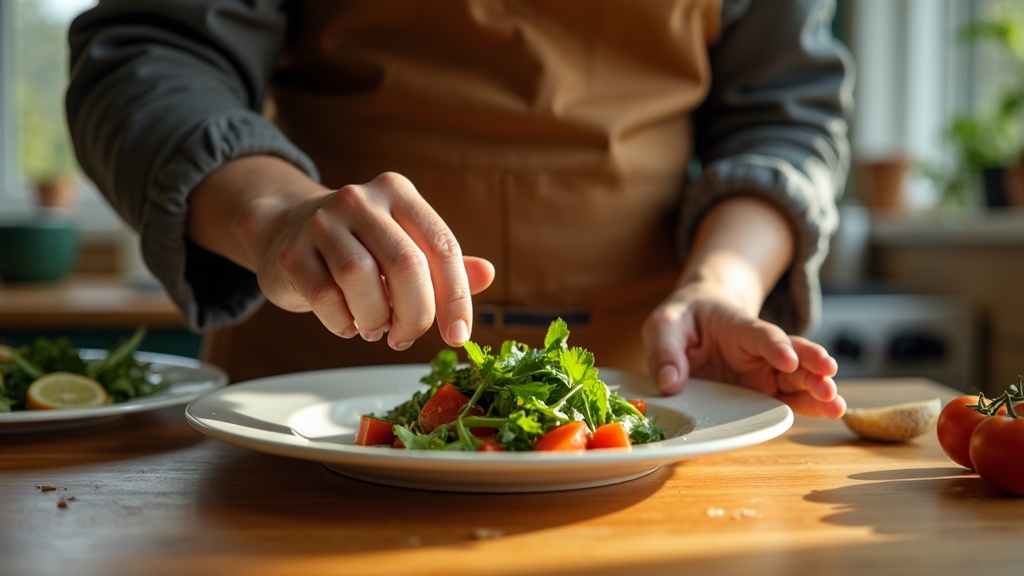
Picture a typical dinner plate. With DASH, you’d see more vegetables taking up space, maybe some brown rice or whole grain bread on the side, and a reasonable portion of chicken or fish. You’d also eat more fruit throughout the day, not as a special treat but as a normal part of meals and snacks.
Beans, lentils, and nuts show up more often too. So does low-fat dairy like yogurt or milk. These aren’t foods you have to force down. They’re just getting more attention than they probably do right now.
What fades into the background? Mostly the heavily processed stuff. Soda and sweet drinks. Packaged snacks loaded with salt. Candy and desserts made with loads of added sugar. Fatty cuts of red meat. You’re not banned from ever having these things, but they stop being daily habits.
The pattern was designed specifically for heart health, based on years of research into what actually helps blood pressure. It’s not a trendy reset or a quick fix. It’s closer to how humans ate before food manufacturing took over our plates.
Think of it as eating more like your great-grandparents might have, assuming they had access to plenty of fresh food. Simple ingredients. Less packaging. More cooking. It sounds almost boring, which is partly why it works. There’s no gimmick to abandon after two weeks.
How cutting back on sodium can lower blood pressure
Sodium has a sneaky way of holding onto water inside your body. When you eat more sodium than your body needs, it pulls extra fluid into your bloodstream. Think of it like adding more water to a garden hose that’s already turned on. The pressure inside goes up.
That extra fluid makes your heart work harder to push blood through your vessels. Over time, this increased pressure can damage the delicate lining of your arteries and strain your heart. Cutting back on sodium gives your body permission to let go of that extra fluid, which brings the pressure back down.
Here’s the tricky part: most of the sodium we eat doesn’t come from the salt shaker. It’s hiding in places you might not expect. Bread, cheese, deli meat, canned soups, frozen dinners, restaurant meals, and even some breakfast cereals are loaded with sodium. A single serving can contain a surprising amount, even when the food doesn’t taste particularly salty.
That’s because sodium does more than just add saltiness. Food manufacturers use it to preserve freshness, enhance flavor, and improve texture. A muffin or a bagel might not taste salty at all, but it can pack as much sodium as a handful of chips.
The DASH diet addresses this by shifting your focus toward fresh, whole foods that are naturally low in sodium. Fruits, vegetables, plain grains, and unprocessed proteins give your taste buds a chance to reset. After a couple of weeks, you might be surprised how much salt you were eating without even noticing it.
Why potassium-rich foods can help balance sodium’s effects
The DASH diet isn’t just about cutting back on salt. It’s also about adding in foods that actively help your body handle sodium better. That’s where potassium comes in.
Think of potassium as sodium’s counterbalance. When you eat potassium-rich foods, your kidneys get better at flushing out extra sodium through your urine. At the same time, potassium helps your blood vessel walls relax and stay flexible. Stiff, tense blood vessels make your heart work harder, which pushes blood pressure up.
The beauty of the DASH approach is that you’re not obsessing over what to avoid. You’re filling your plate with foods that naturally bring potassium along for the ride. A medium banana has a good amount. So does a baked potato with the skin on. Leafy greens like spinach are packed with it. Black beans, white beans, and lentils all deliver potassium along with fiber. Even a cup of plain yogurt gives you a solid dose.
These aren’t exotic superfoods. They’re everyday ingredients that show up in normal meals. That’s the whole point. When you eat these foods regularly, you’re giving your body the tools it needs to manage sodium on its own, without you having to micromanage every milligram.
Getting potassium from actual food instead of supplements also means you’re getting it in the right amounts, naturally balanced with other nutrients. Your body knows what to do with a sweet potato. It’s been handling whole foods like that for thousands of years.
How fiber and plant-based eating support healthier blood vessels
The DASH diet isn’t just about cutting sodium. It’s also packed with fiber and plant-based foods, and that combination does something important for your blood vessels.
Think of your circulatory system like household plumbing. Over time, pipes can get stiff, clogged, or damaged. The same thing happens to blood vessels when they’re under stress. Fiber-rich foods like whole grains, beans, and vegetables help keep that system running smoothly.
Fiber does a few useful things. It helps stabilize blood sugar, so you don’t get those sharp spikes and crashes that put extra strain on your heart and vessels. It also helps your body manage cholesterol better, reducing the buildup that can narrow arteries over time.
When you eat a lot of plants, you’re also getting natural compounds that help blood vessels stay flexible and responsive. Flexible vessels can expand and contract as needed, which makes it easier for blood to flow without pushing too hard against the walls. That’s essentially what lower blood pressure means.
The DASH diet emphasizes fruits, vegetables, whole grains, and legumes. These aren’t just low in sodium. They actively support the structures that carry blood throughout your body. You’re not just avoiding harm, you’re giving your circulatory system what it needs to stay healthier longer.
It’s a shift in thinking. Instead of just cutting out the bad stuff, you’re adding in foods that actually help your body work better. That’s why the DASH approach goes beyond a simple low-salt diet.
What diet science says in plain language
When researchers test the DASH diet in controlled settings, they see the same thing happen over and over. People who follow the pattern tend to lower their blood pressure within a few weeks. This isn’t a maybe or a miracle. It’s a consistent result that shows up whether the study happens in a hospital cafeteria or tracks people eating at home.
The effect gets even stronger when people also cut back on sodium. That makes sense when you think about it. You’re not just removing one problem ingredient. You’re swapping in foods that actively help, like fruits and vegetables rich in potassium, while dialing down the salt that pushes blood pressure up.
Here’s what matters most: the DASH diet changes several inputs at once. You’re eating more potassium, which helps your body balance fluids better. You’re getting more fiber and nutrients that support how your blood vessels work. And you’re usually eating less processed food, which tends to be loaded with hidden sodium.
None of this is magic. It’s cause and effect. Your body responds to what you feed it, and the DASH pattern gives it more of what helps and less of what doesn’t. The research just confirms what happens when you make that trade consistently.
Real people in everyday life see results too, not just volunteers in studies. That’s important. It means the diet works outside of perfect conditions, in normal kitchens with normal schedules. The key is sticking with the overall pattern, not obsessing over every single meal.
What changes make the biggest difference for most people
The shifts that move the needle most aren’t complicated. They’re just different from what most of us grew up doing.
One of the biggest is moving away from meals that come in a box, bag, or takeout container. Processed foods pack in sodium because it’s cheap, tasty, and keeps things shelf-stable. When you start putting together meals at home using actual ingredients, you take back control of the salt shaker. Even if your cooking is basic, you’re already ahead.
Another high-impact change is rethinking what takes up the most space on your plate. If vegetables and whole grains become the main event instead of the side act, you’re naturally pulling in more potassium, fiber, and nutrients that help regulate blood pressure. This doesn’t mean you have to love kale or eat brown rice at every meal. It just means thinking about balance differently.
Swapping out a few staples makes a surprising difference too. Choosing unsalted nuts instead of salted ones, grabbing no-salt-added canned beans, or picking fresh herbs over seasoning packets. These aren’t dramatic overhauls. They’re small redirects that add up over time.
The real magic isn’t in perfection. It’s in consistency. You don’t need to avoid salt entirely or never eat out again. What matters is that most of your meals, most of the time, follow this general pattern. A few intentional swaps repeated regularly will do more for your blood pressure than one perfect week followed by old habits.





